In today’s competitive market, kid’s clothing has become more than just fabric stitched together. Parents look for quality, comfort, and style when shopping for their little ones. Similarly, custom packaging is vital in enhancing brand identity and ensuring a delightful unboxing experience. Thoughtfully designed packaging protects the product and adds to the brand’s appeal.

Understanding Kid’s Clothing
Factors to Consider in Kid’s Clothing
When shopping for children’s apparel, parents consider several key factors:
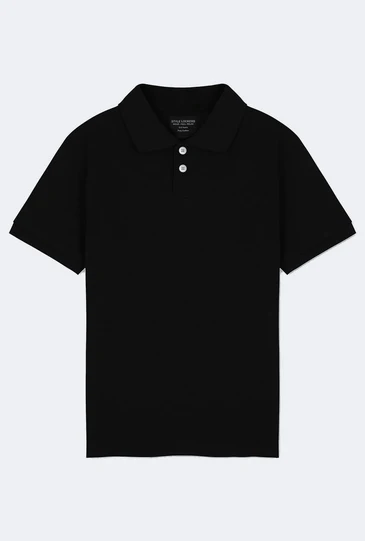
- Comfort & Softness – Kids have sensitive skin, so soft fabrics are essential.
- Durability – Children play and move a lot, so their clothes must withstand wear and tear.
- Safety – Non-toxic dyes and fabrics free from harmful chemicals are essential.
- Trendy Designs – Fashionable yet functional clothing appeals to both kids and parents.
- Ease of Maintenance – Easy-to-wash materials help busy parents.
Popular Fabric Choices for Kid’s Wear
- Cotton – Soft, breathable, and gentle on the skin.
- Bamboo Fabric – Eco-friendly, moisture-wicking, and hypoallergenic.
- Linen – Ideal for summer due to its cooling properties.
- Fleece & Wool – Perfect for winter wear, providing warmth and comfort.
- Organic Fabrics – Free from pesticides and harsh chemicals.
Seasonal Trends in Kid’s Fashion
- Spring & Summer – Lightweight cotton dresses, shorts, and rompers.
- Fall & Winter – Layered outfits, hoodies, and insulated jackets.
- Festive Wear – Special outfits for holidays and celebrations.
Sustainable and Eco-Friendly Kid’s Clothing
Importance of Sustainable Clothing for Kids
Sustainable clothing reduces environmental impact and ensures a safer world for future generations. Eco-friendly production also minimizes waste and pollution, making it a preferred choice for conscious parents.
Best Organic and Eco-Friendly Materials
- Organic Cotton – Chemical-free and breathable.
- Hemp Fabric – Strong, biodegradable, and eco-friendly.
- Recycled Polyester – Reduces plastic waste.
- Tencel (Lyocell) – Sustainable and soft fabric.
Custom Packaging for Kid’s Clothing
What is Custom Packaging?
Custom packaging refers to personalized designs tailored to enhance the product’s presentation and branding. It includes boxes, pouches, wraps, and labels explicitly designed for the brand.
Why Custom Packaging Matters for Kid’s Apparel?
- Protects clothes from damage during shipping.
- Enhances brand identity and recognition.
- Provides an exciting unboxing experience for customers.
Types of Custom Packaging for Kid’s Wear
- Rigid Boxes – Premium, sturdy packaging for high-end kid’s clothing.
- Eco-Friendly Kraft Bags – Sustainable and biodegradable.
- Branded Pouches – Flexible and stylish for smaller items.
- Reusable Cloth Bags – Promotes sustainability and brand recall.
Designing the Perfect Kid’s Clothing Packaging
Creative Design Ideas for Packaging
- Playful Prints – Fun patterns that attract kids and parents.
- Personalized Messages – Adds a touch of warmth and exclusivity.
- Story-Based Packaging – Creates an engaging brand story.
How to Make Packaging Fun and Interactive?
- Coloring Sheets Inside – Keeps kids entertained.
- Stickers and Collectibles – Increases excitement.
- Eco-Friendly Toys – Small giveaways in packaging.
Eco-Friendly Packaging Solutions
Sustainable Packaging Materials
- Recycled Cardboard – Sturdy and eco-conscious.
- Compostable Plastics – Reduces landfill waste.
- Soy-Based Inks – Safer and environmentally friendly.
How Brands Are Shifting to Green Packaging?
Many brands now prioritize zero-waste packaging and using biodegradable materials to align with sustainable goals.
Branding and Marketing Through Custom Packaging
- Enhancing Brand Identity – Custom packaging increases brand recognition.
- Influencing Buying Decisions – Attractive packaging can boost sales.
- Personalization & Customization – Names, colors, and illustrations enhance the experience.
Importance of Safety in Kid’s Clothing and Packaging
Safe Fabrics for Kids
- Free from harsh dyes and chemicals
- Hypoallergenic materials
- Breathable and soft textures
Packaging Safety Considerations
- Non-Toxic Inks – Safe for kids.
- No Sharp Edges – Avoids injuries.
- Tamper-Proof Packaging – Ensures product integrity.
Trends in Kid’s Clothing and Packaging
- Eco-Friendly Packaging Innovations – Sustainable, reusable options.
- Minimalist & Elegant Designs – Sleek, modern packaging styles.
- Smart Packaging – QR codes for interactive experiences.
FAQs
What materials are best for kid’s clothing?
Cotton, bamboo, organic fabrics, and breathable materials are best for children’s clothing.
How does packaging impact customer perception?
Attractive, high-quality packaging enhances customer experience and brand value.
Is sustainable packaging more expensive?
Initially, yes, but in the long run, it reduces waste and boosts brand loyalty.
What are the best packaging types for kid’s wear?
Eco-friendly bags, custom boxes, and reusable pouches are great options.
Can custom packaging help increase sales?
Yes, eye-catching and unique packaging attracts customers and boosts sales.
How to choose the proper packaging for a kid’s clothing brand?
Consider sustainability, design appeal, and functionality when selecting packaging.
Conclusion
Kid’s clothing and custom packaging go hand in hand in building a brand’s identity. Thoughtful designs, sustainable materials, and safety considerations make all the difference in creating a memorable customer experience.
 Flash Deals